In the first nine months of 2026, logistics and transport overtook fintech as the sector African startups raised the most money for, with its largest share since tracking began. Electric mobility is the main reason. This guide covers the economics behind it, where the capital went, the policy in each market, and where founders can still build, with separate advice for idea-stage founders and for scaleups.
In this guide
The short answer
Is electric mobility a good startup opportunity in Africa?
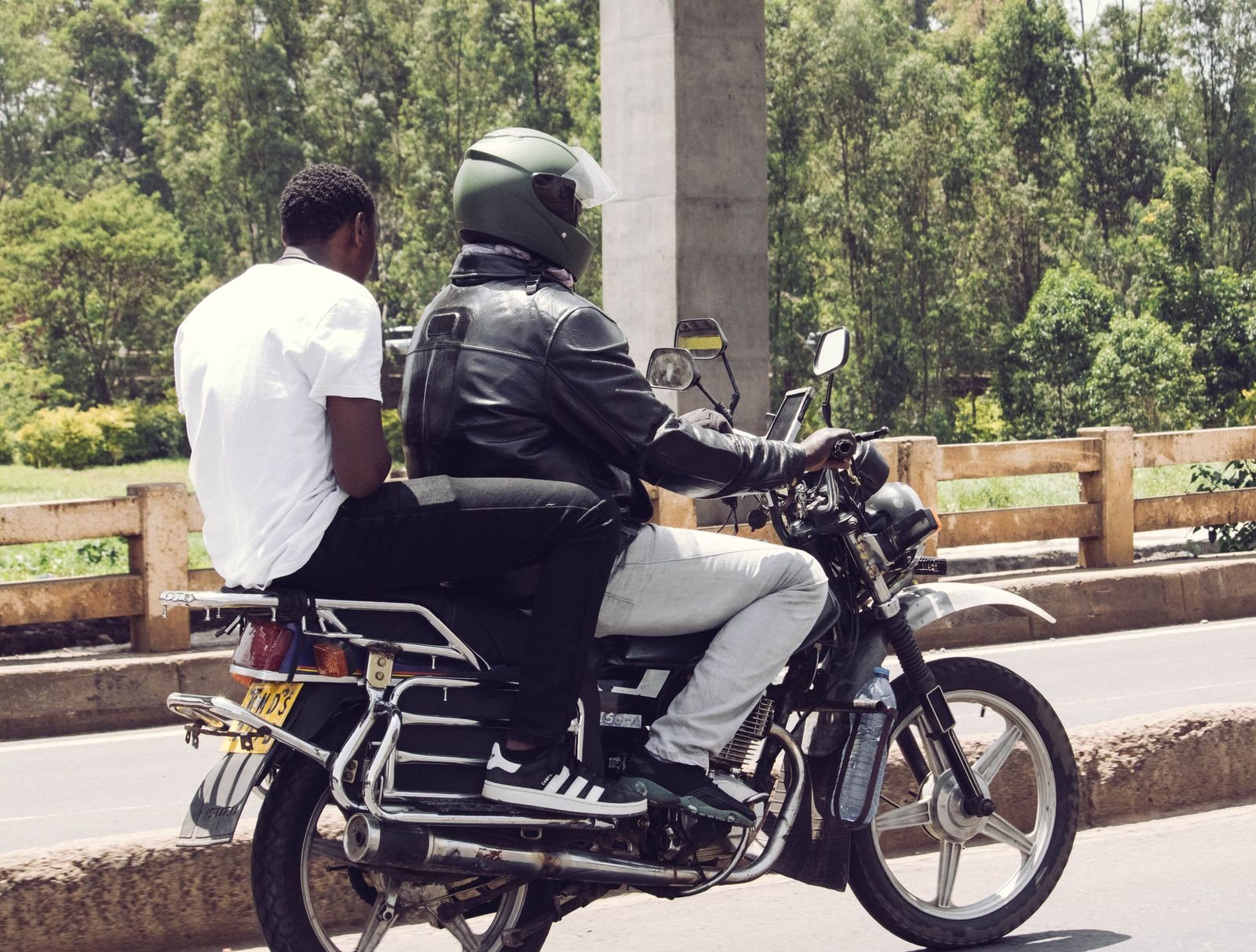
Yes, mainly in two- and three-wheelers and commercial fleets, where the economics already work without subsidies. A Kenyan rider pays about KES 290 for a battery swap that covers 80 to 100 km, against more than KES 500 a day on petrol. The capital is following: Spiro and Moove alone raised about $595 million in 2026.
- Idea-stage founders: build around the boom, not against Spiro. Financing, software, maintenance, rural charging and battery second life are open.
- Scaleups: investors now judge cost per kilometre, battery utilisation and repayment rates, and most growth capital is debt.
- Policy is turning: Kenya launched a national e-mobility policy in February 2026 and zero-rated electric motorcycles for VAT.
Why e-mobility is working in Africa
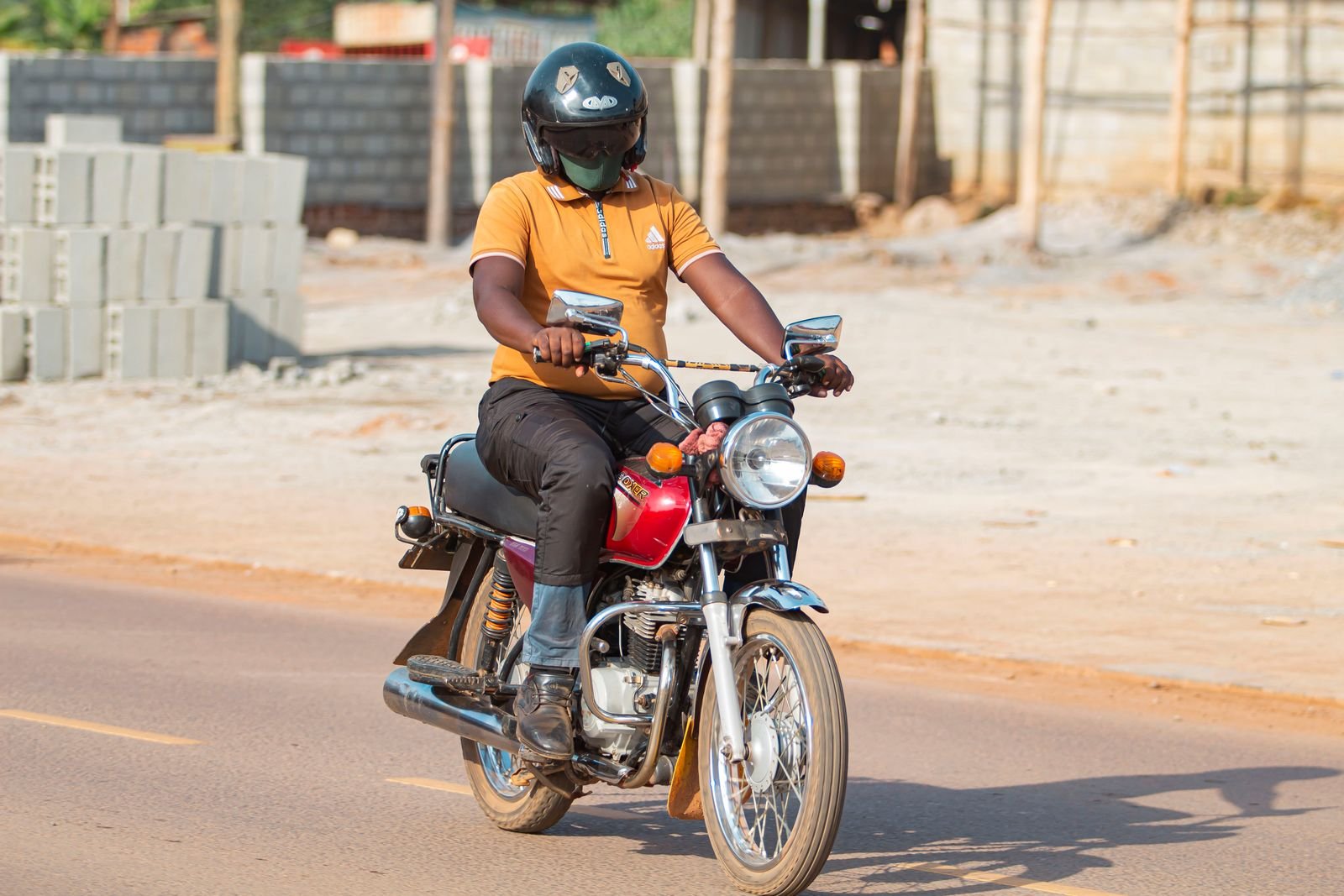
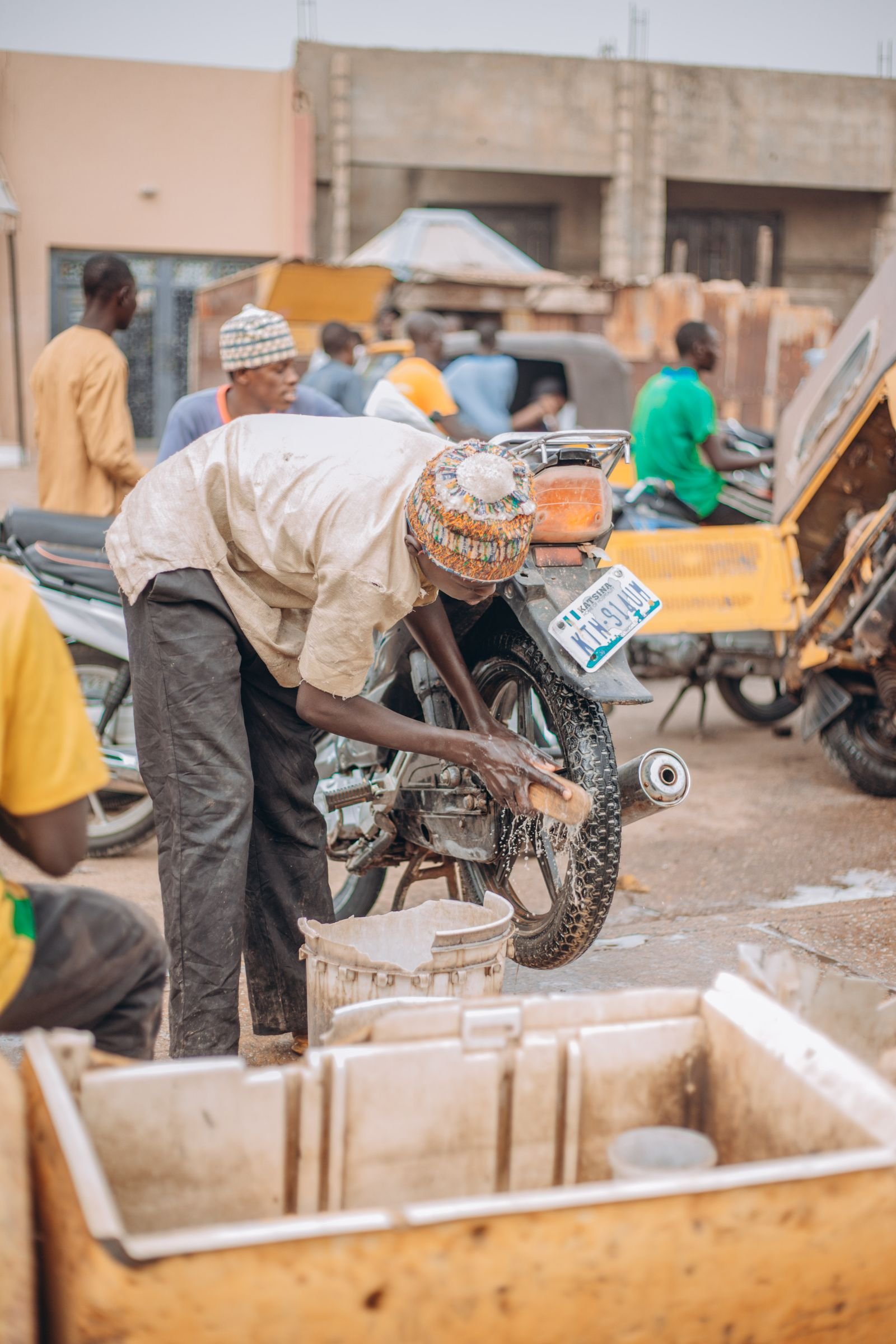
In Europe, electric vehicles grew on subsidies and climate policy. In Africa, the push is commercial. Millions of people earn their living on motorcycle taxis, and fuel, maintenance and financing take a large share of what they earn. An electric bike that costs less to run per kilometre puts money in the rider’s pocket every day.
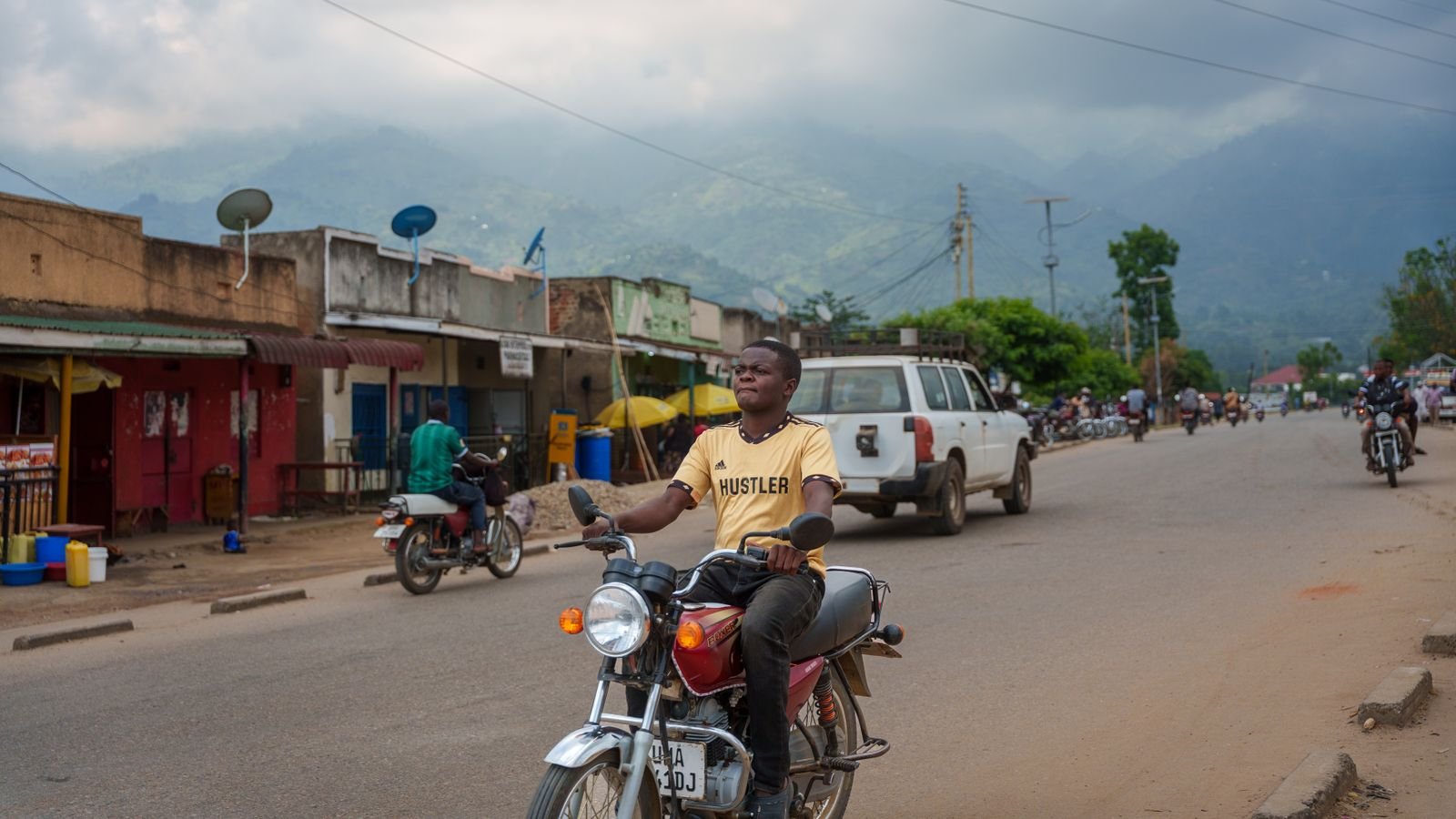
The International Energy Agency counts around 70,000 electric two-wheeler sales in Africa in 2025, against fewer than 1,000 in 2020. Uganda passed 30,000, helped by Spiro’s financing; Kenya more than tripled to over 25,000, around 15% of all new two-wheeler registrations (IEA Global EV Outlook 2026). The World Bank estimates an electric boda saves its rider about UGX 1 million, roughly $255, a year compared with petrol, and Uganda’s swap stations grew from about 150 in mid-2024 to more than 350 by late 2025 (World Bank).
Two- and three-wheelers are where the economics work today. Electric cars remain expensive and mostly a niche outside a few markets, so this guide focuses on motorcycles, three-wheelers, buses and commercial fleets.
Where the money went in 2026
African startups raised $2.16 billion in the first nine months of 2026. Logistics and transport took $780 million, or 36%, just ahead of fintech at $760 million, or 35%. That is the sector’s highest share since tracking began; the previous record was 17% in 2019 (Africa: The Big Deal via Tekedia). Fintech still led on the number of funded companies, with 80 startups raising $100,000 or more.
Read the headline carefully. Two deals make up about three-quarters of the sector’s total. Spiro’s $345 million combines equity and debt: a $270 million equity round plus debt from lenders including Afreximbank and Africa Go Green (Ecofin). Moove’s $250 million Series C, led by Mubadala at a $2.1 billion valuation, mainly funds its autonomous-fleet operations with Waymo (Dabafinance). The money is real, but it is concentrated.
| Company | 2026 financing | What it builds | Investors named |
|---|---|---|---|
| Spiro | $345m equity and debt (Jan–Sep) | Electric motorcycles and battery swapping in seven countries; 2,500+ swap stations | Impact Fund Denmark, Equitane, FEDA, NewTrails, Afreximbank, Africa Go Green |
| Moove | $250m Series C (August) | Vehicle financing for drivers; now focused on autonomous fleets | Mubadala, Woven Capital, Ion Pacific |
| GoCab | $45m (February) | Vehicle and EV financing for gig drivers | Led by E3 Capital |
| Zeno | $25m Series A | Electric motorcycles and energy | US and Canadian climate funds |
| MAX | $24m equity and debt | Electric motorcycles and rider financing | Equitane, Novastar, Energy Entrepreneurs Growth Fund |
| Gozem | €21m | Mobility and vehicle financing super-app | IFC |
| Dodai | $13m | Electric motorcycles in Ethiopia | BII and Japanese investors |
| ARC Ride | Series A of up to $5m | Battery swapping in Kenya | IFC, Mirova, BII, Musashi Seimitsu |
| Zembo | ~$264,000 debut bond (June) | Electric motorcycles and swapping in Uganda | Retail lenders via Energise Africa |
Amounts as reported by each source in 2026. Several rounds mix equity and asset-backed debt.
Two patterns matter for founders. First, debt now funds most of the fleet: development lenders and climate funds lend against bikes and batteries, while equity pays for the network and the team (Launch Base Africa). Second, retail and small-ticket capital is appearing: Zembo and Roam have both raised through bonds sold to individual investors in Europe.
Who is building it
| Company | Model | Where | Latest |
|---|---|---|---|
| Spiro | Bikes plus battery swapping, sold with rider financing | Seven African countries | More than 100,000 EVs and 2,500 swap stations |
| Ampersand | Electric motorcycles and swap network | Rwanda and Kenya | Opening its network to other manufacturers, starting with Wylex |
| Roam | Locally built electric motorcycles; battery rental | Kenya | Swaps priced by the hour; bond raised from European retail investors |
| ARC Ride | Battery swapping network | Kenya | Series A from IFC, Mirova and BII |
| SUN Mobility | Open battery-swapping network for many brands | Kenya | Launched with 10+ vehicle makers in August 2026 |
| Zembo | Electric motorcycles and swapping | Uganda | Debut bond in June 2026 |
| BasiGo | Electric buses with pay-as-you-drive financing | Kenya and Rwanda | Raised $42m in 2024, including $24m from Africa50 |
Policy by country
| Country | What changed | What it means for founders |
|---|---|---|
| Kenya | National Electric Mobility Policy launched 3 February 2026 (Ministry of Roads and Transport); electric motorcycles, e-bicycles, electric buses and lithium-ion batteries zero-rated for VAT, with excise cut to zero (TechArena); common charging standards planned by June 2027 (TechTrendsKE) | Cheaper imports and batteries; standards will reward interoperable products |
| Uganda | Fastest-growing market by sales in 2025; government study with the World Bank on fitting EV demand into grid planning (World Bank) | Large addressable fleet; companies report uncertainty about incentive rules and how long they last |
| Ethiopia | Banned imports of petrol and diesel passenger cars in 2024 to cut fuel import costs (IEA) | A forced market for electric cars and fleets; Dodai is building motorcycles there |
| Rwanda | Local assembly of electric two-wheelers alongside Kenya and Morocco (IEA) | A compact test market with strong policy support and operators such as Ampersand |
For the wider picture of Kenya’s economy, taxes and the 2027 election, see Kenya’s economy in 2027.
Rider savings calculator
The whole sector rests on one number: how much more a rider keeps each day. Use the calculator to test it for your market. Defaults use Kenyan prices from September and October 2026.
Petrol or electric: what does a rider save?
Illustrative only. Fuel economy and swap range vary by bike and route.
Defaults: Spiro’s swap at about KES 290 for 80 to 100 km and Nairobi petrol at KES 214.03 a litre (Streamline Feed). One Kisumu rider reports going from more than KES 500 a day on petrol to about KES 290 on swaps (Khusoko). The saving has to cover the bike repayment, which can be around KES 530 a day (Business Daily).
What is still broken
The gaps are where new companies get built. These came up again and again in the 2026 reporting:
- Financing is expensive. A typical rider plan costs around KES 530 a day, more than KES 400,000 over 24 months (Business Daily). High upfront prices and limited credit are the main barriers in Uganda too (World Bank).
- Batteries do not work across networks. Kenya has no swapping standard yet, so riders are locked into one brand’s stations and operators build parallel networks (TechTrendsKE). SUN Mobility and Ampersand are now opening their networks to other makers (Econews).
- Coverage stops at the city limits. Rural routes need different station density and economics (TechTrendsKE).
- Maintenance and skills lag. Most mechanics are trained on petrol engines, and spare parts for electric drivetrains are scarce outside big operators.
- Batteries reach end of life. Second-life storage and recycling are barely built yet, while tens of thousands of packs enter service each year.
Track 1: idea-stage founders
You do not need to build a bike or a swap network. The big operators have spent hundreds of millions on hardware; the opportunity for a first-time founder is the layer around them.
| Opportunity | Who pays | Why now |
|---|---|---|
| Rider credit scoring and financing | Riders, lenders, operators | Repayment is the largest cost in a rider’s day, and operators need lower defaults |
| Fleet and battery software | Fleet owners, swap operators | Telematics, theft recovery and swap-utilisation data decide unit economics |
| Maintenance, parts and mechanic training | Riders, fleets, OEMs | Electric drivetrains need new skills that roadside mechanics lack |
| Rural and agri-route charging | Farmers, cooperatives, delivery firms | Networks stop at city limits; solar-powered swapping can reach further |
| Battery second life and recycling | Operators, solar and storage companies | Thousands of packs will retire from mobility service each year |
| Insurance for electric bikes | Riders, lenders | Lenders need cover on financed bikes; few products fit electric bikes |
These are our view of where demand is forming, based on the gaps reported in 2026.
How to validate an e-mobility idea in four weeks
- Ride along. Spend a day with five riders and record every shilling in and out.
- Interview 30 riders and 5 fleet owners. Ask what they pay today, not what they would like.
- Pilot with one fleet. One operator with 20 bikes beats a pitch deck about 20,000.
- Model cost per kilometre. If your product does not change it, investors will not care.
Most e-mobility ideas need a technical co-founder who understands batteries or embedded systems. If you are missing one, start with how to find a co-founder in Africa and Revise co-founder matching.
Track 2: scaleups
Once you have bikes on the road, investors stop asking about the market and start asking about the machine. These are the numbers they check.
| Metric | What it shows | Why lenders care |
|---|---|---|
| Cost per kilometre | Rider savings and your price headroom | The saving funds the repayment |
| Swaps per station per day | Network utilisation | Idle stations destroy margins |
| Battery cycles and health | Asset life and replacement cost | Batteries are the collateral |
| Portfolio at risk (30 days) | Share of loans more than 30 days late | The core number for any asset lender |
| Vehicle uptime | Share of fleet earning each day | Downtime is lost revenue for rider and lender |
| Payback period per bike | Months for a bike to repay its cost | Sets how much debt you can raise |
- Plan a capital stack, not a round. Equity pays for the team and network; asset-backed debt from development lenders and climate funds pays for bikes and batteries. Spiro’s 2026 financing combined both.
- Borrow in the currency you earn. Shilling or naira revenue against dollar debt is the classic way fleet businesses fail when the currency moves.
- Pick markets by policy as much as size. Kenya’s tax changes, Uganda’s volumes and Ethiopia’s import ban all change unit economics.
- Plan for interoperability. Kenya is moving towards charging standards by 2027; open networks from SUN Mobility and Ampersand point to where swapping is heading.
Programmes and investors for mobility founders
Programmes listed here had documented activity in 2026. Investors are those named in 2026 mobility deals.
| Name | Type | Stage | Fit |
|---|---|---|---|
| Catalyst Fund | Climate investor and accelerator | Pre-seed to Series A | Climate adaptation and resilience, including transport |
| Katapult Africa | Accelerator investing $150k–$500k | Early growth | Climate-tech, agri and food |
| Delta40 | Venture studio and fund | Idea to seed | Energy and mobility, in Kenya and Nigeria |
| Tanzania Ventures Lab: Nishati track | National accelerator | MVP and early traction | Energy and clean tech in Tanzania |
| Africa Prize for Engineering Innovation | Prize and training | Prototype onwards | Hardware and engineering founders |
| E3 Capital | Early-stage VC | Seed to Series A | Led GoCab’s $45m; backs digitised and decarbonised models |
| Novastar and Equitane | Growth equity | Series A and later | Named in MAX’s 2026 round |
| IFC, BII, Mirova, Afreximbank, Africa Go Green | Development and climate lenders | Growth, asset finance | Named in Spiro, ARC Ride, Gozem and Dodai 2026 deals |
More programmes are in our guide to startup accelerators in Africa by country.
Where Revise fits
Revise runs two tracks that match the two sections above. Revise Launch is for idea-stage founders with an MVP or first users: four months with a named operator on the founding team, customer discovery, the MVP and first paying customers, for 500 USD + VAT per founder or 1,000 USD + VAT per team, with no equity. Revise Scale is for companies with paying customers, revenue or a funding round. It is coming soon, and mobility companies with vehicles on the road can request information now. Still looking for a technical partner? Start with free co-founder matching.
Building in e-mobility?
Applying to Launch is free and takes about five minutes. A person reads every application.
Frequently asked questions
Is electric mobility a good business in Africa?
In two- and three-wheelers and commercial fleets, increasingly yes. A Kenyan rider pays about KES 290 for a battery swap covering 80 to 100 km, against more than KES 500 a day on petrol, and Africa sold around 70,000 electric two-wheelers in 2025. Margins depend on financing costs, battery utilisation and repayment rates.
Did logistics and transport overtake fintech in African startup funding?
Yes, in the first nine months of 2026. Logistics and transport raised $780 million, 36% of the total, against $760 million for fintech, according to Africa: The Big Deal. Spiro and Moove made up about three-quarters of the sector’s total.
How much did Spiro raise in 2026?
Africa: The Big Deal counts $345 million for Spiro in the first nine months of 2026, combining a $270 million equity round with debt from lenders including Afreximbank and Africa Go Green.
What tax incentives does Kenya offer for electric motorcycles?
Under Kenya’s 2026 e-mobility measures, electric motorcycles, e-bicycles, electric buses and lithium-ion batteries are zero-rated for VAT, and excise duty on them has been cut to zero. Common charging standards are planned by June 2027.
What e-mobility startup can I start with little capital?
Asset-light businesses around the fleet: rider credit scoring, fleet and battery software, maintenance and mechanic training, insurance for electric bikes, or rural charging pilots with a single operator. They need far less capital than building bikes or swap networks.
Who invests in electric mobility startups in Africa?
In 2026, E3 Capital led GoCab’s round; Impact Fund Denmark, Equitane and Afreximbank backed Spiro; IFC, BII and Mirova backed ARC Ride; and Novastar and Equitane backed MAX. Climate programmes such as Catalyst Fund and Katapult Africa back earlier companies.
Sources
All pages accessed in October 2026. Company figures are as reported; several rounds mix equity and debt.
- Tekedia: Logistics and transport overtakes fintech (Africa: The Big Deal data, 21 October 2026)
- IEA: Global EV Outlook 2026, trends in other EV modes
- World Bank: How Uganda is gearing up for electric mobility at scale (21 September 2026)
- Ecofin: Spiro raises $420 million in nine months
- Africa Sustainability Matters: Spiro secures $420 million
- Dabafinance: Moove raises $250 million at $2.1 billion valuation
- GlobeNewswire: GoCab raises $45 million
- Launch Base Africa: E-mobility, stablecoins and DFI retreat to debt (3 June 2026)
- Mobility Rising: Zembo issues debut bond
- Kenya Ministry of Roads and Transport: National Electric Mobility Policy
- TechArena: Kenya’s e-mobility policy explained
- Streamline Feed: Electric motorcycles reshape boda boda economics
- Khusoko: Yadea KIFA targets Kenya’s boda bodas
- Business Daily: Inside the battery-rental model
- TechTrendsKE: Kenya’s battery swapping network faces a rural test
- Econews: SUN Mobility launches battery swapping in Kenya
- BasiGo (overview)

Rebecka Hald writes about startups, accelerators and early-stage funding in Africa for Revise. Her guides look at what programmes and investors actually offer founders, and what it takes to get from idea to first paying customers.
Revise guides are fact-checked and every source is linked. We update them when programmes, terms or numbers change.